EOS – Intelligent Vision Dispensing Control System
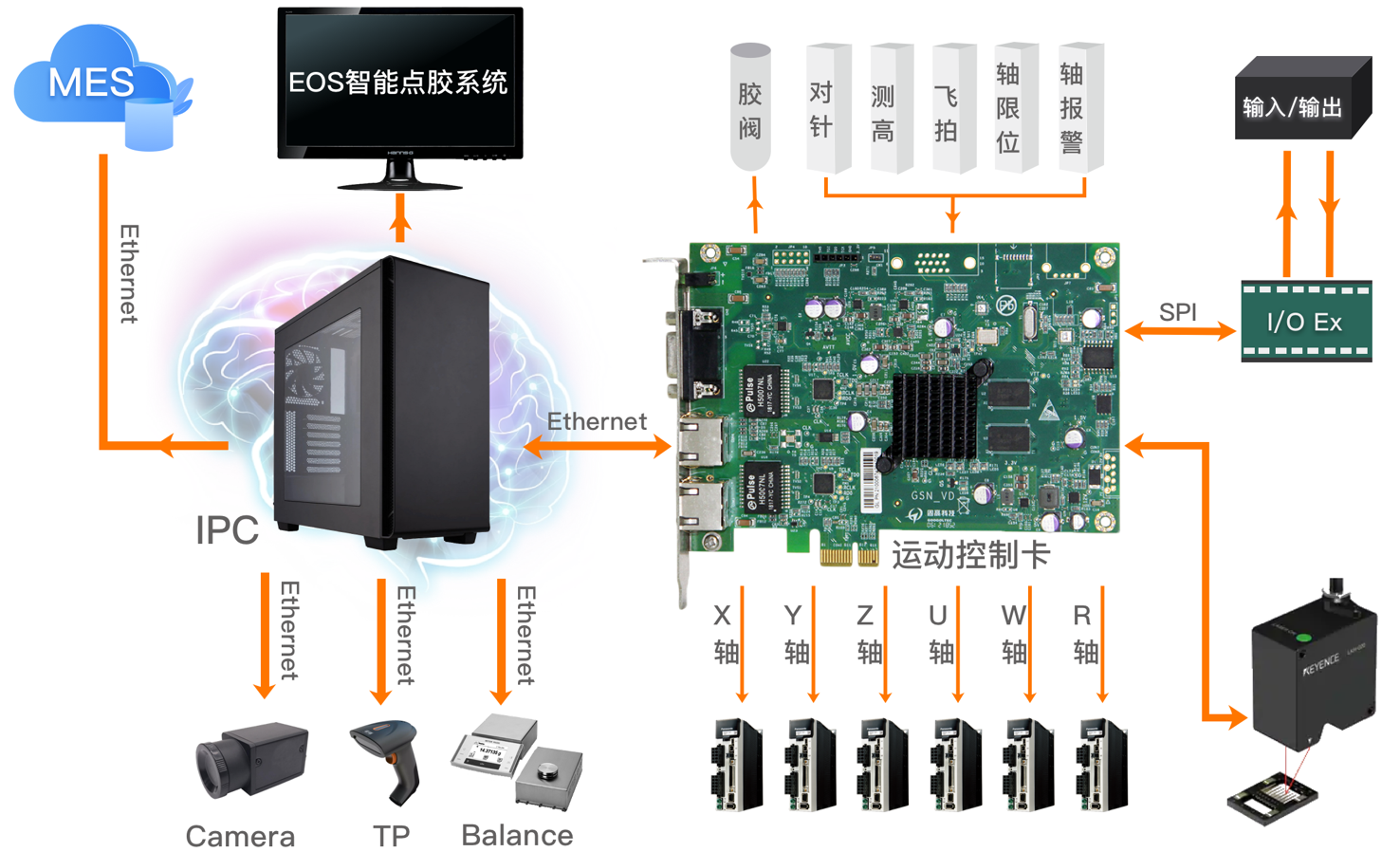
Visionk’s EOS local high-precision vision dispensing system integrates various dispensing technologies, providing fully automatic online dispensing solutions. Proven in demanding production environments, it handles high-precision sealing, filling, bonding, and assembly for complex products.
Key applications include consumer electronics, hot melt adhesive bonding, underfill, surface mounting, stack sealing, dam & fill, FPC component reinforcement, and material reinforcement. It is an intelligent production device that can integrate multiple closed-loop monitoring modules.
Features of the EOS - Intelligent Vision Dispensing Control System
Intelligent Point Programming: Supports mouse light video programming and complete product graphic editing, with direct import of DXF format trajectories.
Visual Intelligent Offset Correction: Industrial camera captures Mark points, automatically adjusts point position deviations, supporting single/double Mark/edge inspection/sub-board trajectory correction algorithms.
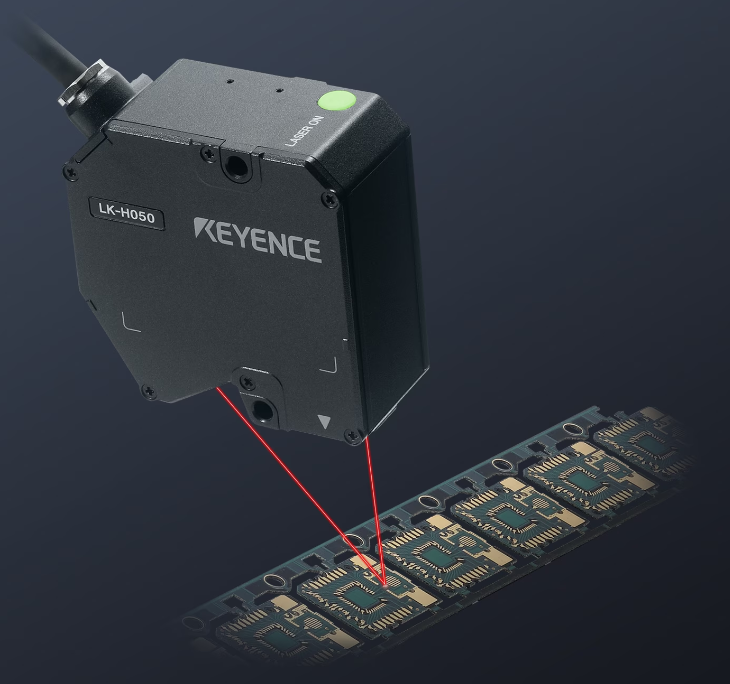
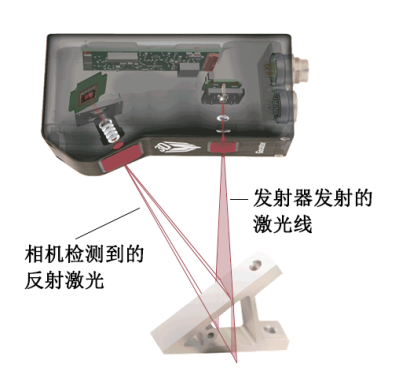
Highly Intelligent Adjustment: Laser sensor detects product warpage and dents, automatically adjusts Z-axis height, and supports guidance from economical point lasers and 3D line laser sensors, completely solving issues of scratching and deviation.
Adhesive Quality Closed-loop Control: Through multiple high-precision sensors such as electronic scales, temperature control, air pressure, cameras, and 3D lasers, a multi-weight quality protection system is built, including heavy self-correction, 2D/3D/deep learning glue path detection, and glue path self-correction, ensuring 100% dispensing quality.
Full-process Dispensing Monitoring: A large-capacity database saves machine status to realize millisecond-level collection of dispensing process data. Detection images and results are bound to product SNs and uploaded to MES service communication in real time, ensuring customers’ full-process traceability of production.
Intelligent Dispensing Programming
What You See Is What You Get
1.What you see is what you get, with camera light-guided programming for more precise and rapid operation.
Real-time Preview
2.Real-time trajectory preview for more convenient and intuitive editing and modification.
DXF Import
3.DXF import: One-click import of dispensing trajectories.
One-click Autofocus
4.One-click autofocus for the camera.
AI Intelligent Dispensing Programming
5.AI dispensing: Automatically extract glue trajectories without manual programming.
One-click Calibration
6.One-click automatic calibration: Vision-assisted RTCP 5-axis linkage programming made simpler.
Visual Auto Offset Correction
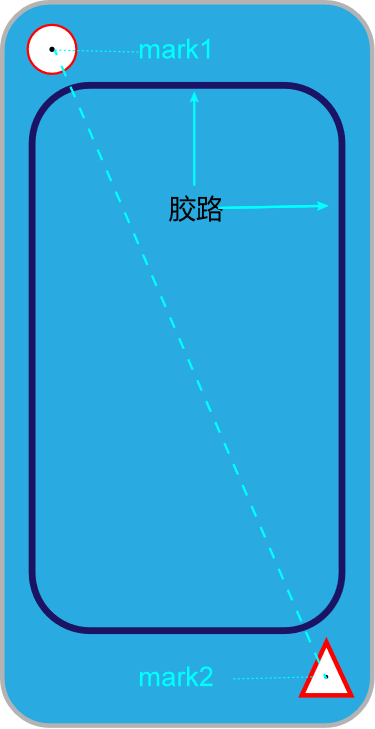
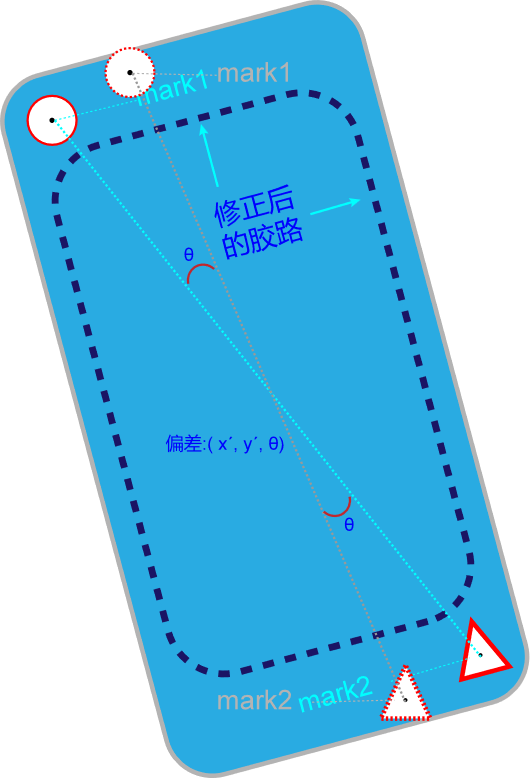
Dual Mark Offset Correction
Function: Automatically corrects position deviations of products on fixtures or production lines via CCD imaging, ensuring absolute dispensing accuracy of ±0.01mm.
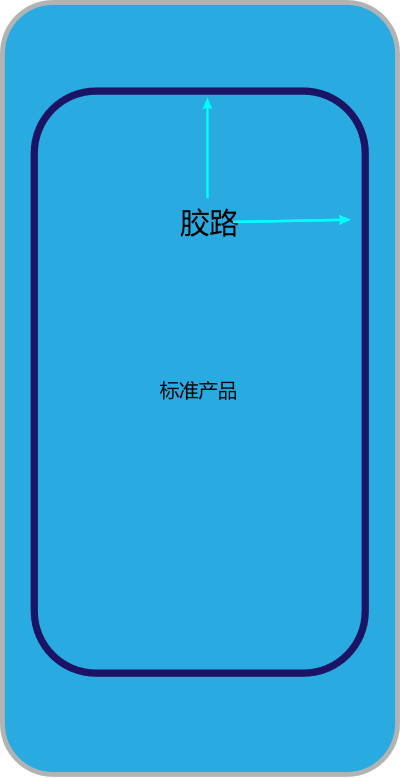
Template Setup: Define 1+ reference markers (Marks) in the image, which can be unique features like QR codes, barcodes, or circles.
Matching: Compare extracted marker features with predefined templates to determine their position and pose.
Offset Calculation: Calculate target pose deviations (translation and rotation) based on marker position and pose in the image.
Control: Correct the actual dispensing position using the calculated pose deviations.
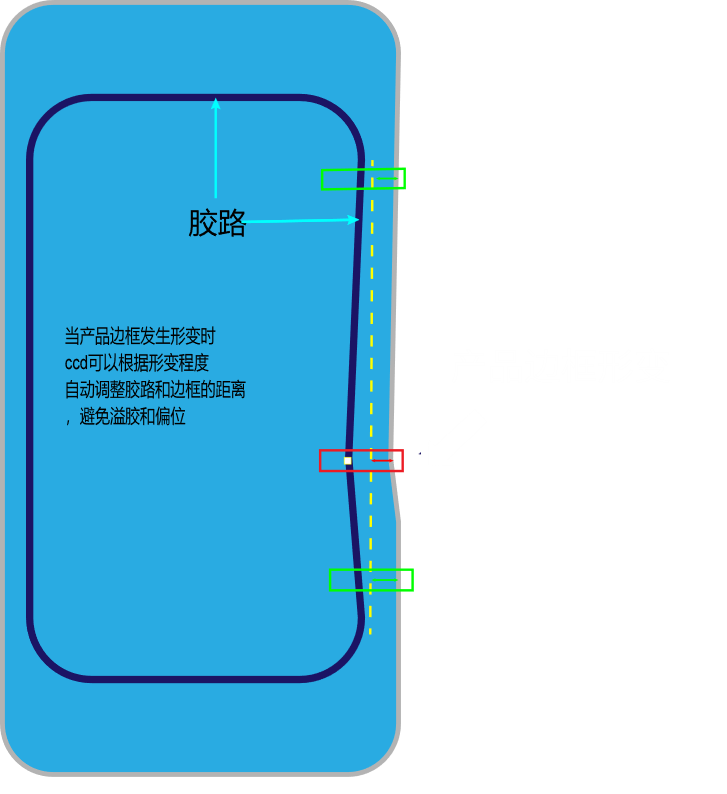
Edge Following Offset Correction
Function: Adjust the glue path position by capturing edge changes via CCD, ensuring a fixed distance from the product edge.
Reference Setup: Define 1+ reference baselines in the image, recording the distance from the baseline to the product edge.
Measurement: Measure the distance from the product edge to the baseline during operation and compare it with the baseline.
Offset Correction: Compensate the deviation to the dispensing coordinates.
Automatic Dispensing Height Adjustment
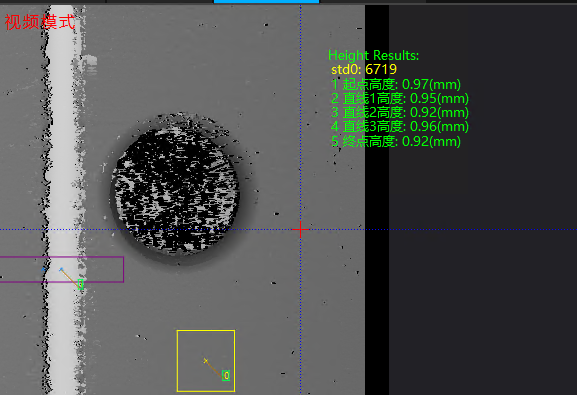
In contact dispensing applications, a laser displacement sensor measures the heights of the fixture, substrate, and product, and dynamically adjusts the dispensing height at corresponding points based on the measurements. This ensures precise distance between the needle and the product, preventing needle scratching, needle collision, or glue dragging.
The EOS Intelligent Dispensing System supports multiple height measurement modes:
Substrate measurement
Trajectory point measurement
Custom measurement
Single measurement / Full measurement
In actual use, the optimal measurement mode can be selected based on accuracy, cycle time, and operability requirements.
Improvements to Dispensing Stability Pain Points
Jet valves are susceptible to uncontrollable factors (e.g., air supply pressure fluctuations, valve wear/aging, adhesive density/viscosity changes) during continuous operation, leading to inconsistent dispensing volumes and significant impacts on final product quality.
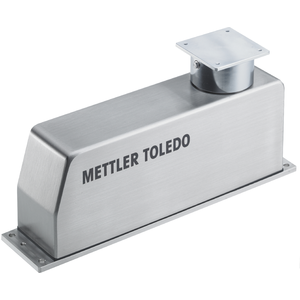
Automatic Glue Volume Adjustment: The EOS system supports intelligent weight adjustment. It uses real-time feedback from a high-precision electronic balance to dynamically adjust valve parameters, ensuring each dispensing volume meets requirements.
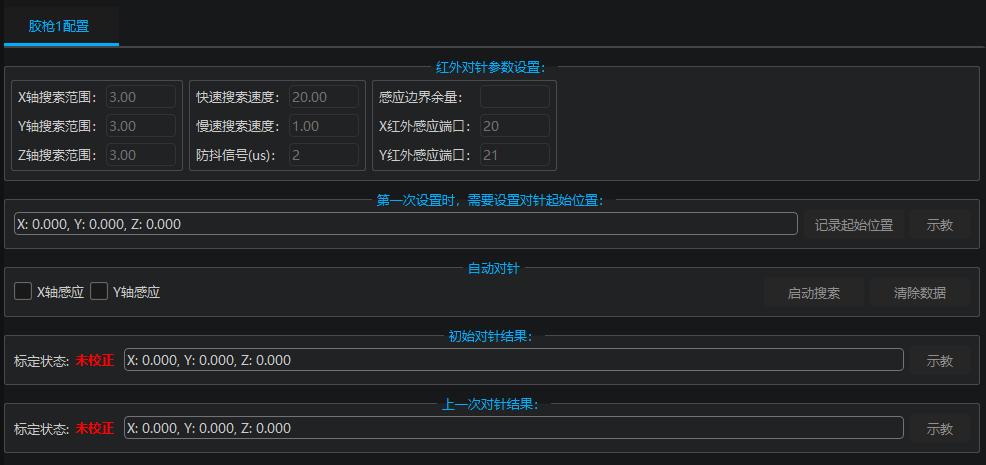
EOS supports automatic infrared needle alignment. Using an XY-direction infrared photoelectric sensor and FPGA high-speed comparison, it captures the needle’s precise coordinates and height in motion.
The software performs base and real-time comparisons to accurately compensate for needle deviations, ensuring continuous and stable dispensing output.
One-click alignment maximizes UPH (Units Per Hour) output.
Automatic Infrared Needle Alignment: Jet valve stability is affected by uncontrollable factors (e.g., needle replacement deviations, product height variations, adhesive density changes), leading to inconsistent dispensing volumes and quality issues.
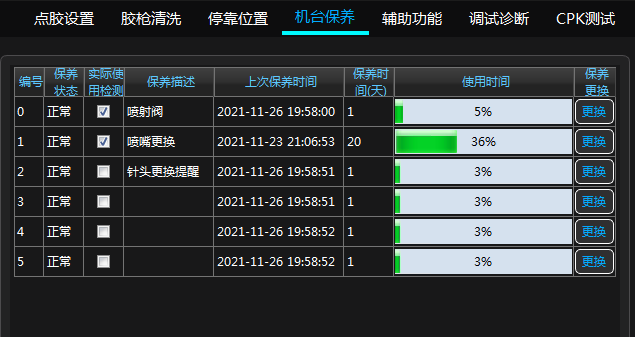
Consumable Timely Replacement Reminders
Monitors consumable replacement to ensure long-term stable operation.
Tracks maintenance intervals for key components to prevent core part damage.
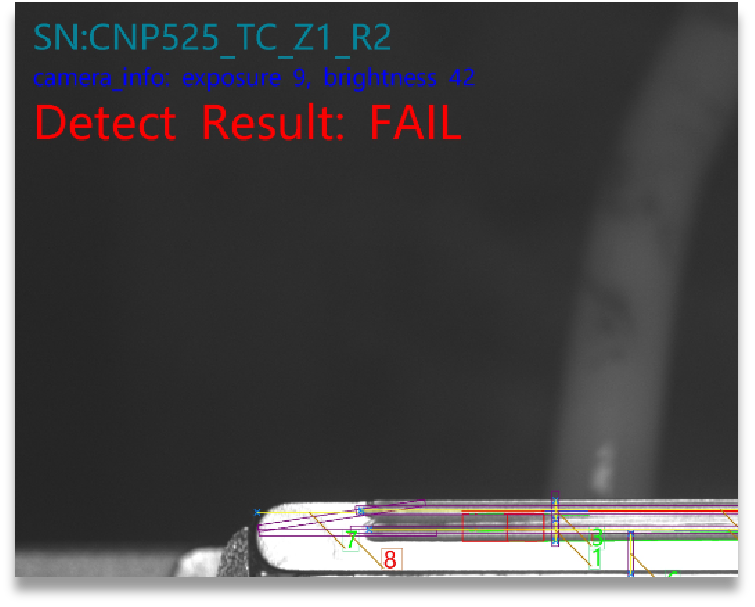
2D Glue Path Inspection
Principle:
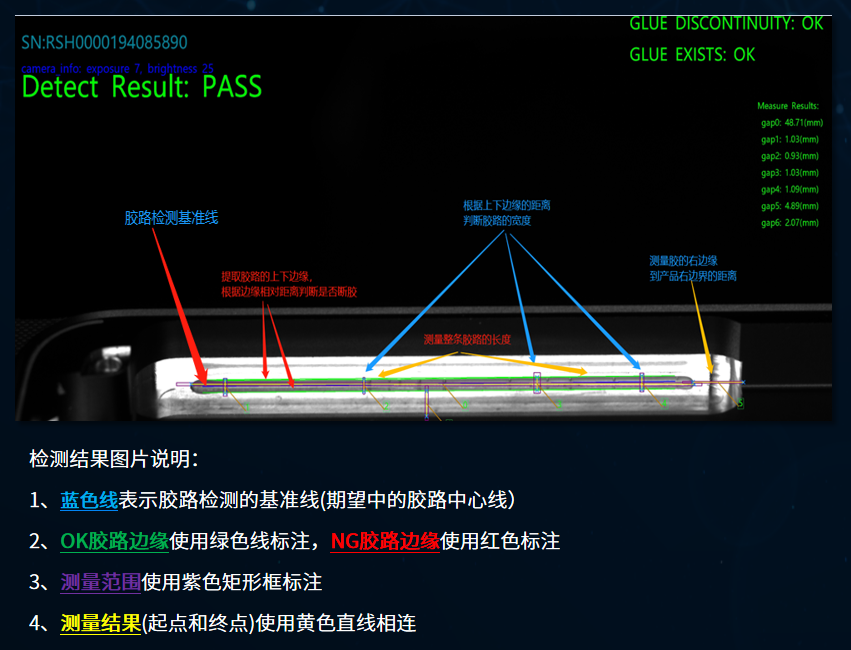
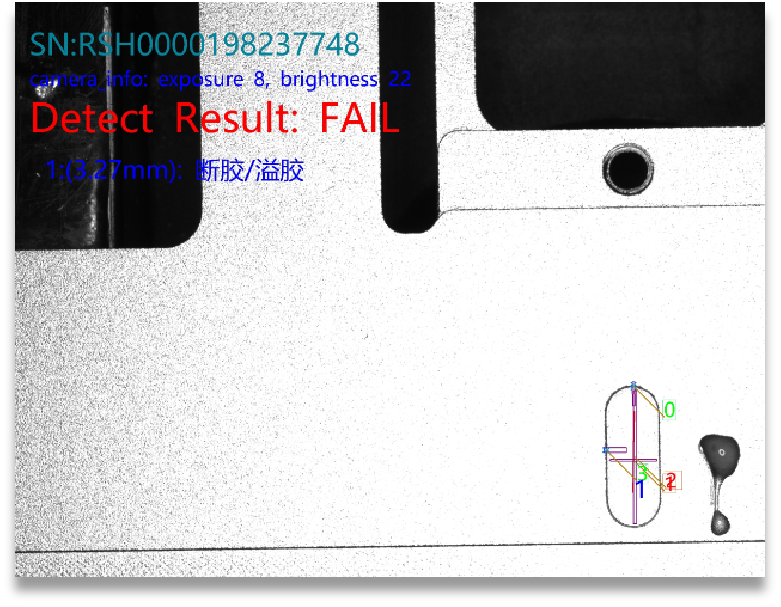
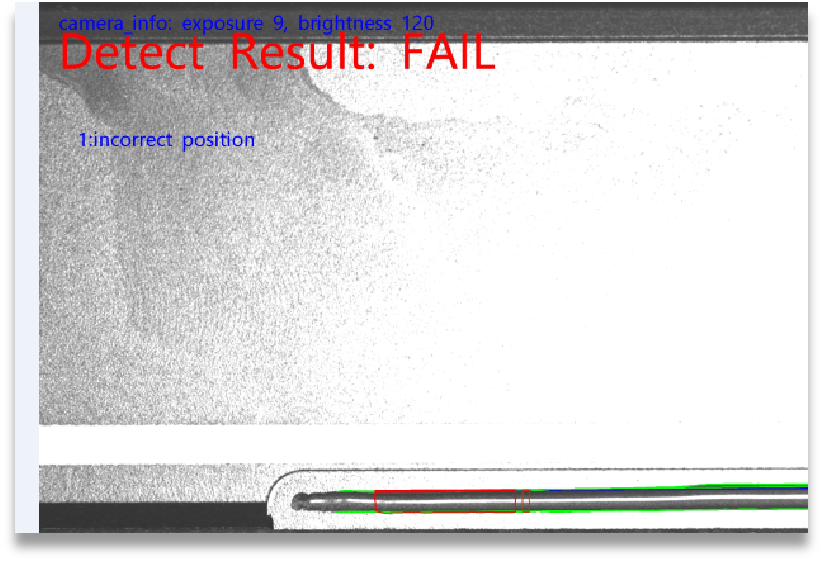
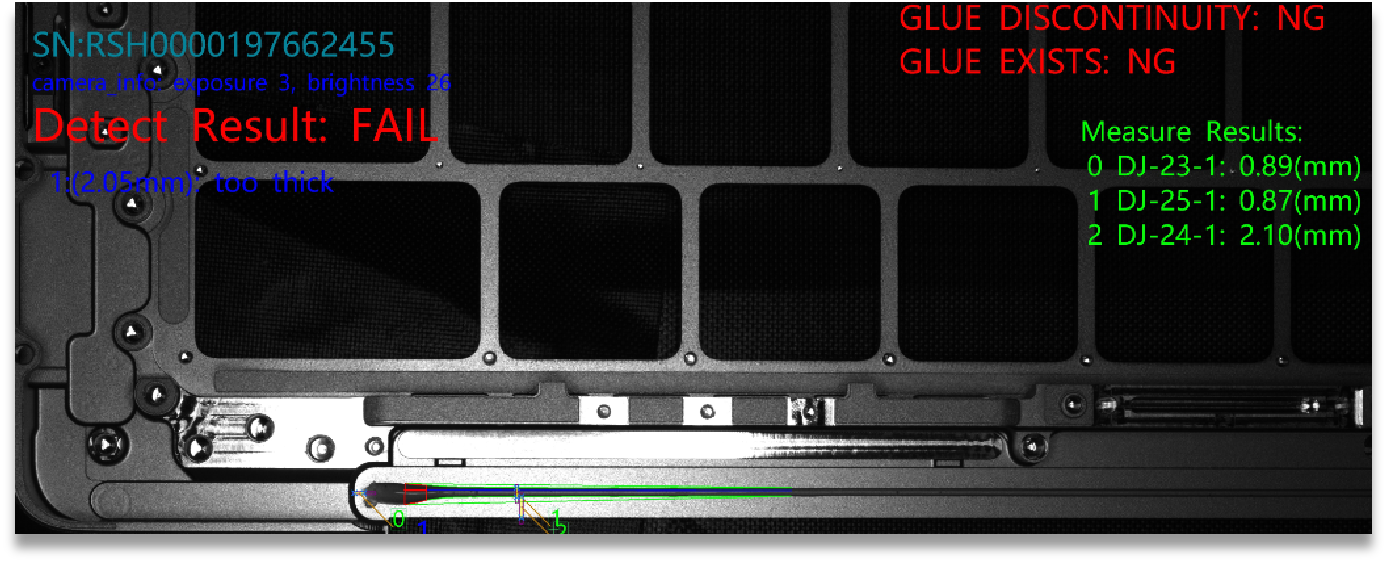
An area scan camera directly captures images of dispensed products. Defects are identified by analyzing features such as the glue path’s contour, grayscale, skeleton, morphology, and position in the image using software algorithms.
Functions of 2D Glue Path Inspection:
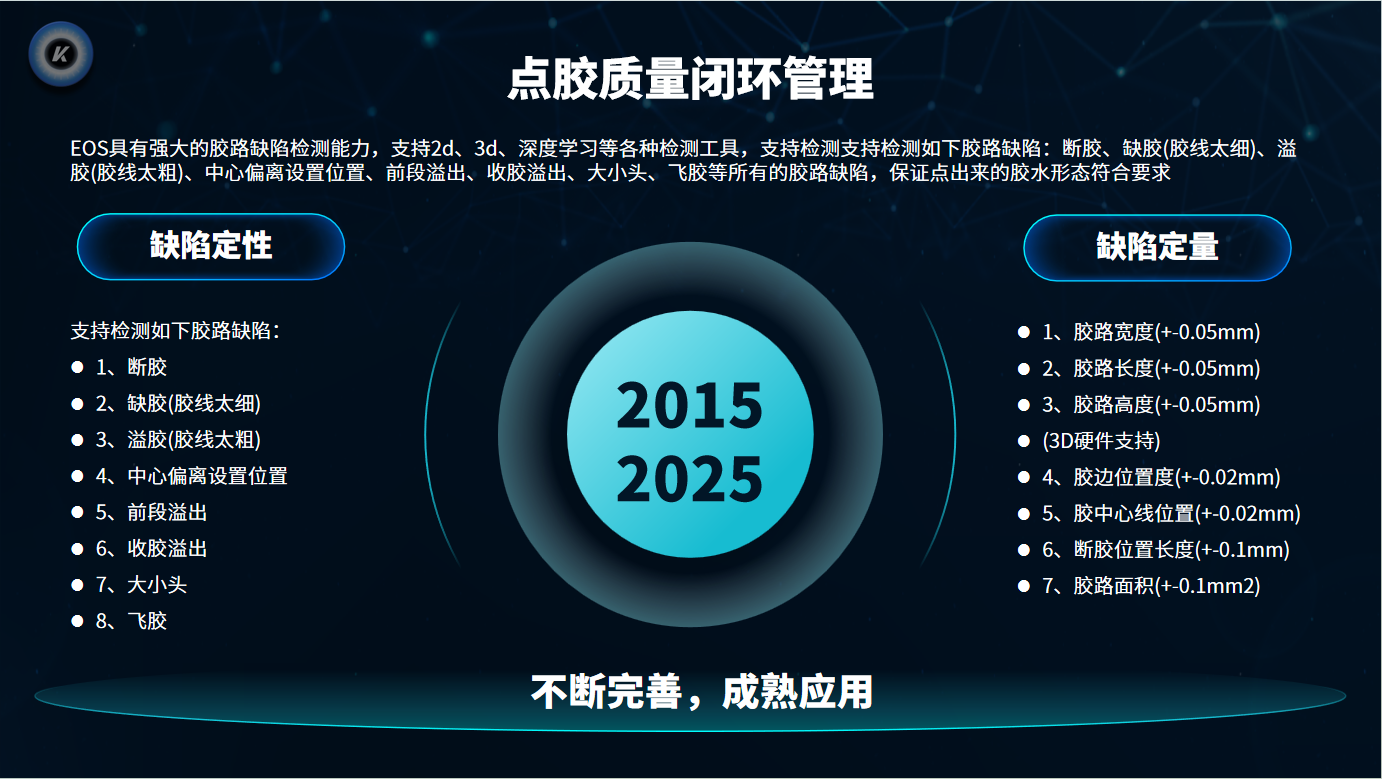
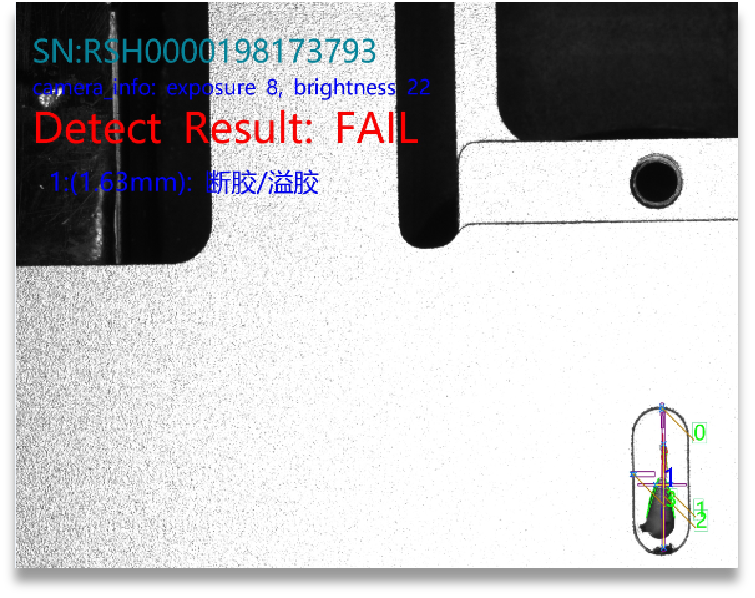
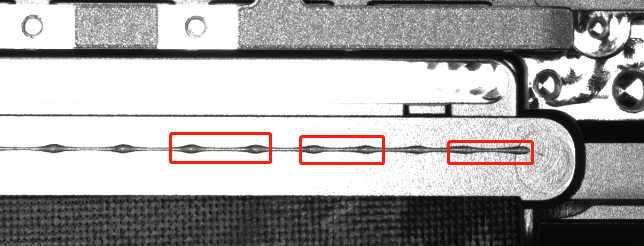
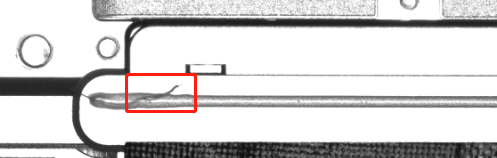
Configurable parameters include water color, minimum/maximum width, and maximum offset to detect defects like broken glue, missing glue, overflow, and uneven bead size.
Precise measurement of glue path width, edge distance, centerline position, and endpoint coordinates is enabled by setting measurement locations and types.
2D Glue Path Inspection Application Case
Broken Glue
Overflow
Splash
Glue Path Offset
Inconsistent Start Point Size
3D Glue Path Inspection
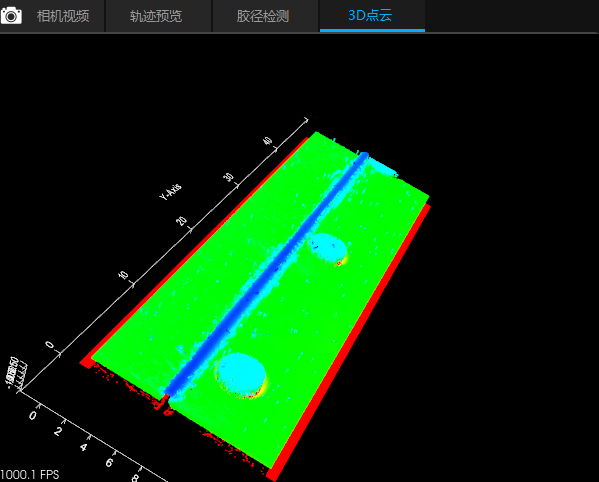
Line laser detection principle → 3D scanning of glue path → Software output of inspection results.
Advantages of 3D over 2D Inspection:
3D Volume Information: A line laser scanner captures 3D data (glue height/volume), detecting defects like scratching and tilting that 2D systems miss.
Transparent/Color-matched Adhesives: Works when glue color matches the background or is transparent, by analyzing height data instead of visual contrast.
Larger Field of View: Higher detection and scanning efficiency for wider glue path areas.
5-axis Linkage and Full-process Dispensing Monitoring
Advantages of 5-axis linkage:
High-efficiency processing: Enables 3D machining of workpieces at any angle. Multi-directional axis movement efficiently completes tasks, boosting productivity and reducing machining time and labor costs.
Cost reduction: Simplifies workpiece clamping without special fixtures, lowering tooling costs, avoiding repeated clamping, and improving precision. Reduces fixture usage and material waste for higher cost-effectiveness.
Complex task execution: Enables more complex tasks. Precise trajectory tracking, multi-axis coordination, and high-speed movement are ideal for complex workpieces, high-precision positioning, or rapid operations.
The EOS Intelligent Dispensing System centralizes all work status, processes, and inspection results in an internal database with open query interfaces. It supports seamless MES integration for traceability of post-production quality.
AI in Glue Path Detection - Principle
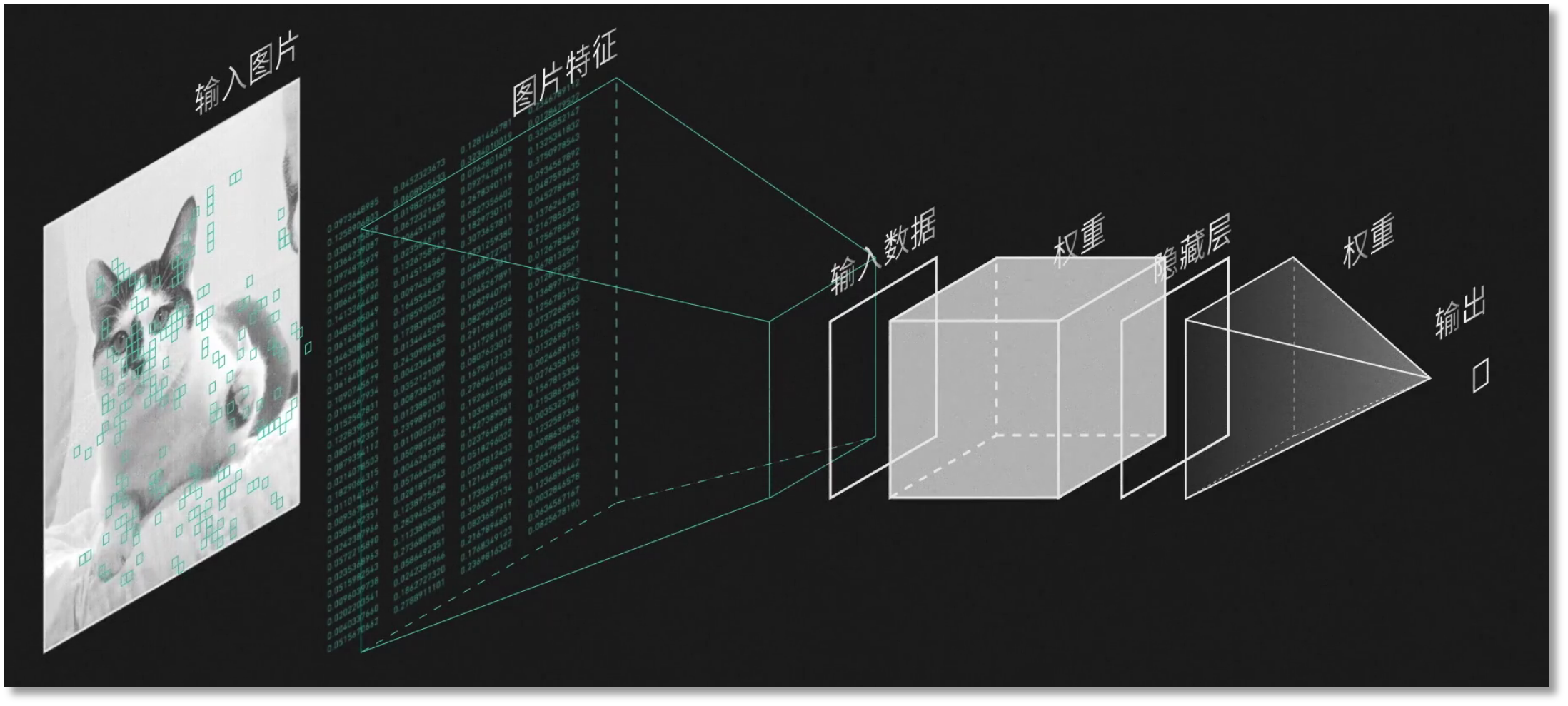
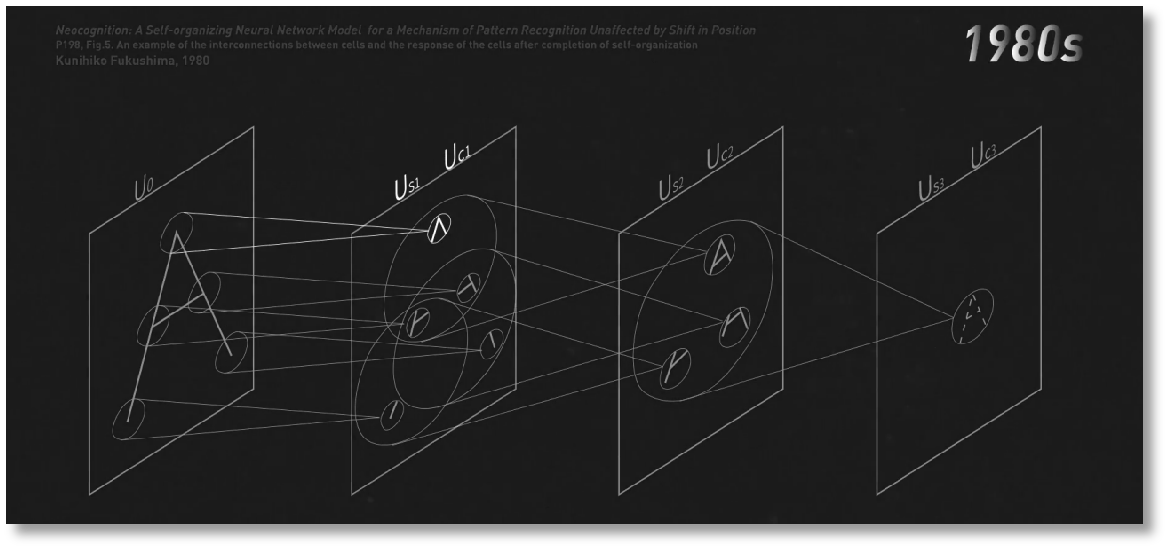
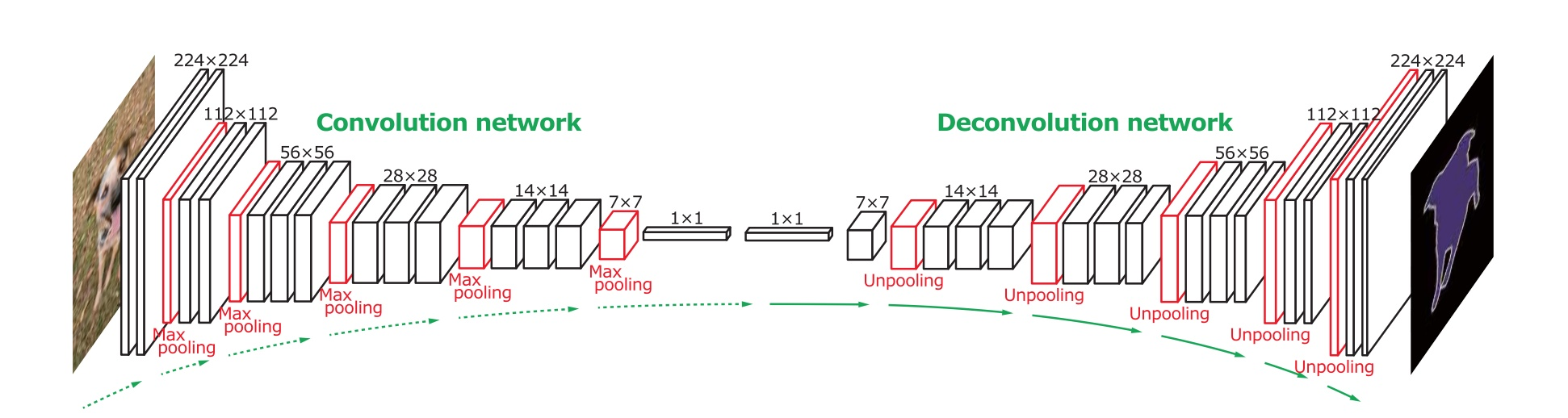
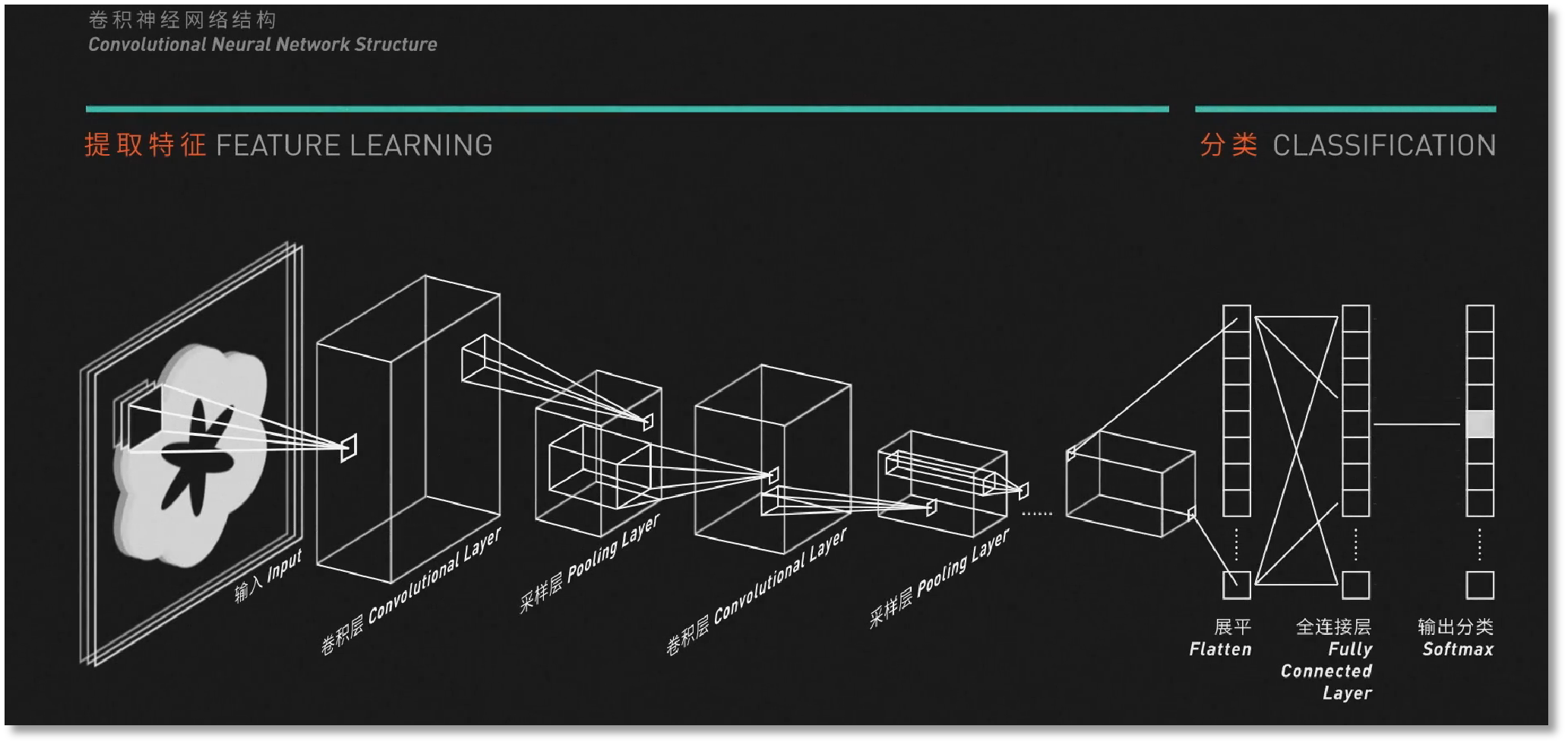
Unlike BP neural networks, Convolutional Neural Networks (CNNs) are designed for animal visual perception, consisting of convolutional, pooling, and other layers:
Extract image features via convolution.
Compress information via pooling.
Mimic shallow biological neurons to recognize simple contours; deep neurons identify complex details based on prior states.
Emulate hierarchical brain processing: detect target corners and connections in shallow layers, then combine them to identify targets in deep layers.
AI in Glue Path Detection - Application 1
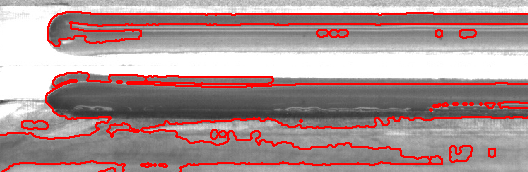
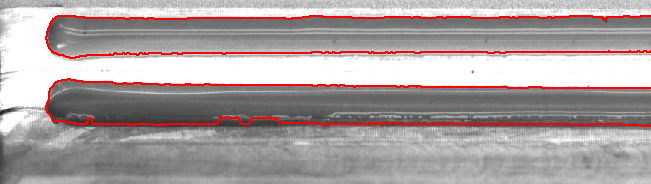
Conventional vision algorithms struggle to extract glue path regions effectively under complex backgrounds.
After training with 100 images, the U-Net network accurately segments the glue path from the background.
AI in Glue Path Detection - Application 2
Deep learning is a self-learning process based on big data, which learns features from data rather than relying on manually designed rules. By combining low-level layers, it produces more intuitive representations. Compared to traditional image processing, deep learning achieves better feature extraction, improving both the performance and efficiency of image recognition.
Leveraging the powerful classification capabilities of CNNs, AI can easily detect defects that are difficult to model with traditional methods:
Splash
Broken glue
Inconsistent start point size
Scattered glue
Contact Shikai
Company Name: Shenzhen Shikai Intelligent Technology Co., Ltd.
Address: 902, Building A, Qiaode Science Park, No.7, West District, Guangming High-tech Park, Yutang Community, Yutang Street, Guangming District, Shenzhen